How to build a site that looks custom and actually brings in work.
I build websites for small businesses: contractors, food trucks, restaurants, gyms, makers. This is the method, written down. Twenty two pages, every rule one I build by, every example a site you can watch move on this page. Read it before you build, before you hire, and before you settle for the template.
- $7, once
- 22 pages
- PDF, in your email in a minute
- Add the Website Grader Kit for $97 at checkout
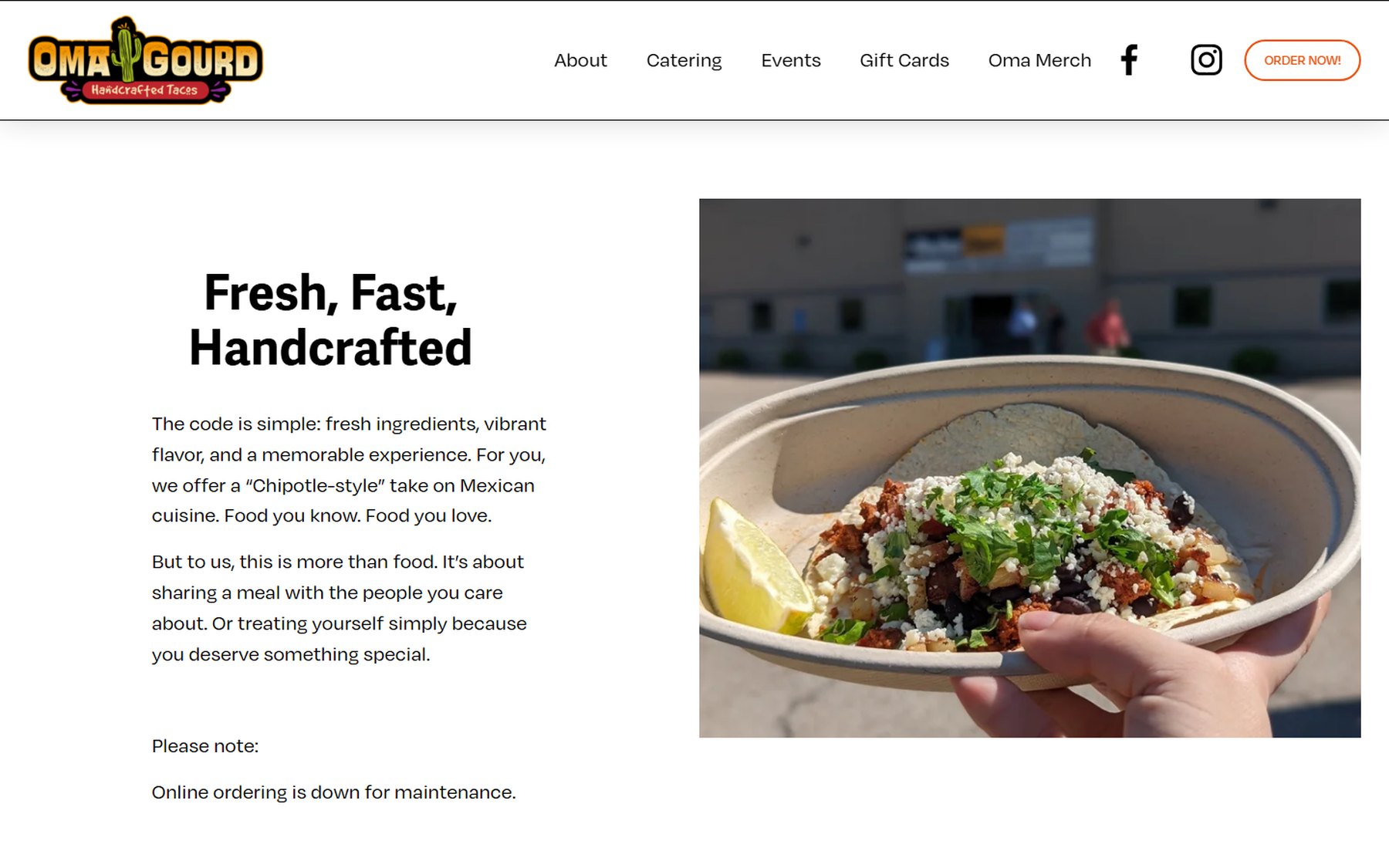
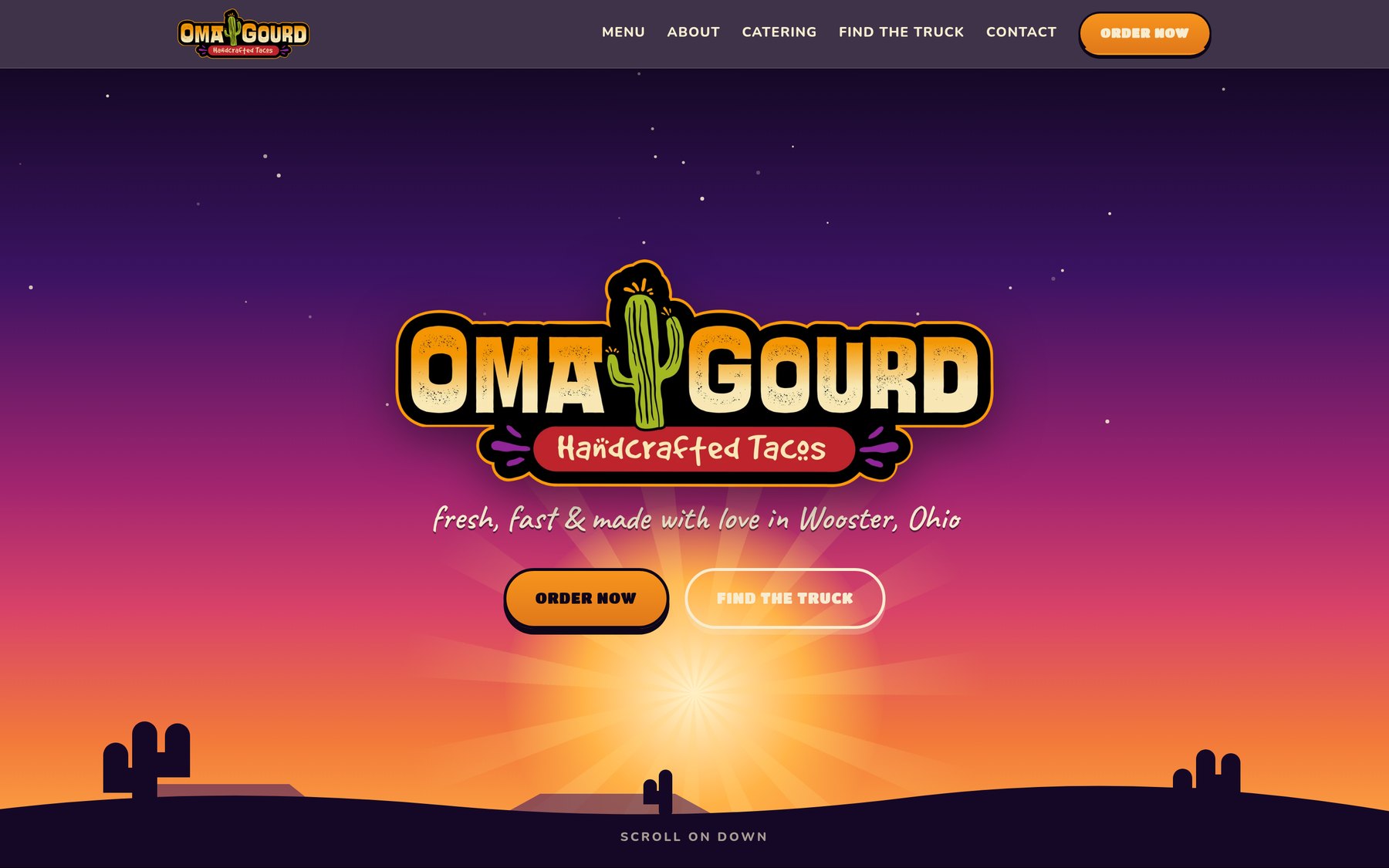
This is what the guide teaches. Not a template in sight.
Every one of these was built for one business, around the one thing it needs a visitor to do. The first screen moves on purpose, once, and then gets out of the way. Nothing here came from a theme.
Tumbleweeds blow across the dusk while the truck's own photos roll past. You know what the food is before you read a word.
The house draws itself, then becomes the estimate form. The one job of the site is the first thing on it.
The headline types itself and the grader runs on screen. The tool you came for is on the first screen, not behind a menu.
The real wall, the gold from the sign, and the numbers that count up as you land. It looks like the place because it is the place.
The food carries the screen, the hours sit right where the doubt is, and the one action is order. Nothing on it is stock.
The fare is on the first screen before anyone asks, and the booking starts without leaving it. Three steps, price shown before you pay.
The decisions, in the order I make them.
A site that converts is not more pages. It is a set of decisions made on purpose before a single section gets built. These are the ones.
The one job
The four second test every first screen has to pass, and the rules the one action follows. Most sites fail question three.
Proof at every scroll
What counts as proof, what never does, and the six slots every service business page carries. The rule I learned the hard way.
The signature moment
The one thing people remember, with three from the sites above: a house that draws itself, a dusk you scroll into, numbers that count up.
Where the look comes from
The truck wrap, the estimate pad, the gym wall. The five places a background comes from, in the order I check them.
Type, color, space
Two fonts and the real pairings from six builds. One accent with one meaning. Why dead even spacing is the loudest tell there is.
The tells
The design list and the copy list, including the banned words. None of these plus one memorable thing, and a site stops reading as generated.
Structure by business
Contractors, restaurants, gyms and coaches, makers, professional services. The must haves for each, and what to steer around.
The worksheet
The eight field design lock, for your business. If you cannot fill all eight, you are not ready to build, and neither is whoever you hire.
The design lock, for your business
Fill this in before you touch a template, hire anyone, or open a page builder. If you cannot fill all eight, you are not ready to build, and that gap is where builds fail.
- Your world. One sentence: what you do, who your customer is, the one thing the site has to make them do. Then the materials of your world.
- Direction. One look, and one line on why it fits your customers, not your taste.
- The signature. The one thing the site will be remembered by.
- Type. One headline face, one body face.
- Color. Dominant, secondary, one accent, and the accent's single meaning.
- Motion. The one moment that moves. Everything else stays calm.
- The risk. One choice that could fail but is worth it.
- The background. What the page sits on, and where that came from.
Then list your three real trust signals. Not the ones you wish you had. The ones you can prove today.
Anyone who has fought a page builder at 11pm.
If you built your own site on Wix, Squarespace, or GoDaddy and it looks like everyone else's, this tells you why, in plain words, and what to change first. If you are about to pay someone to build one, this is the checklist that tells you whether they know what they are doing. If you end up hiring me, it is what I will do, written down before you pay for it.
I'm Chad. I built these, in Wooster, Ohio.
Scroll Theory Media is my studio. I write the copy, design the pages and code them, one business at a time, and the six sites above are mine from the first sketch to the launch. Their owners are among the reviews below. The guide is the method I use on every build, because I got tired of watching good businesses pay for sites that look like everyone else's.
Before you pay.
Is it a real book or a sales pitch? Twenty one of the twenty two pages are the method. The last page is the one offer, and you can skip it.
Why $7? Because you do not know me yet, and the first yes should be easy. Seven dollars keeps out the people who only wanted a free PDF and does not make anyone else think twice. Nobody is pretending it covers the writing.
Are those sites really yours? Yes. Every one is live at the address on its frame, and every one was built with the method in the book. Go and look at the whole thing.
Can I use it with another designer? Yes. Hand them the worksheet. If they cannot fill it in, that tells you something.
What is the $97 add-on? Your Google Business Profile checked and cleaned up, with a 9x9 rank grid of your service area. It is the first month of every SEO plan I sell, on its own. Normally $500 as the setup on a plan.
Read it before you hire anyone. Including me.
Card, about a minute. The PDF is in your email right after.